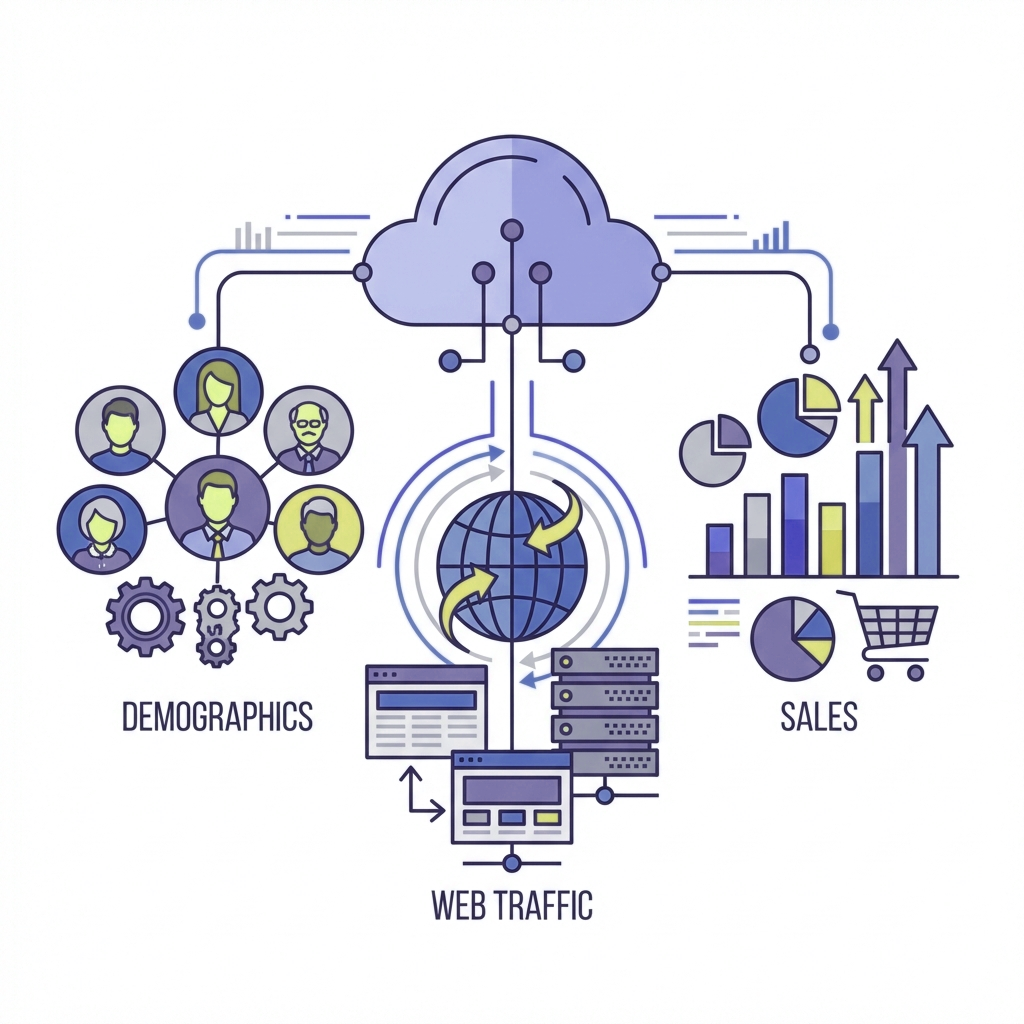
The Strategic Migration
Traditional client-side tagging is reaching its limits. With the rise of ad blockers, browser privacy restrictions, and the need for lightning-fast page loads, moving your tracking logic to the server is no longer optional—it's a strategic necessity.
Google Tag Manager (GTM) on the server side allows you to manage your tags and tracking pixels from a central location, directly on your server infrastructure. This shields the user's browser from excessive scripts and ensures total data sovereignty.

Centralized Data Governance
By moving your tagging to the server side, you gain absolute control. You can transform data before it reaches your vendors, enrich it with server-side secrets that shouldn't be exposed in the browser, and significantly reduce the risk of data loss due to ad blockers.
For eCommerce websites, this leads directly to more accurate attribution and a measurable reduction in lost conversion data. For enterprise platforms, it provides a centralized governance layer for all outgoing data streams.
Core Server Advantages
The fundamental technical improvements provided by server-side tracking architectures.
Performance
Reduce browser CPU usage and network requests by unloading 3rd-party JS to the server for faster LCP.
Fast UXPrivacy
Expose only what's necessary to vendors. Protect PII and ensure total GDPR/CCPA compliance.
SovereignAccuracy
Bypass client-side blockers and cookie expiration issues for cleaner data attribution and ROI.
Pure Signal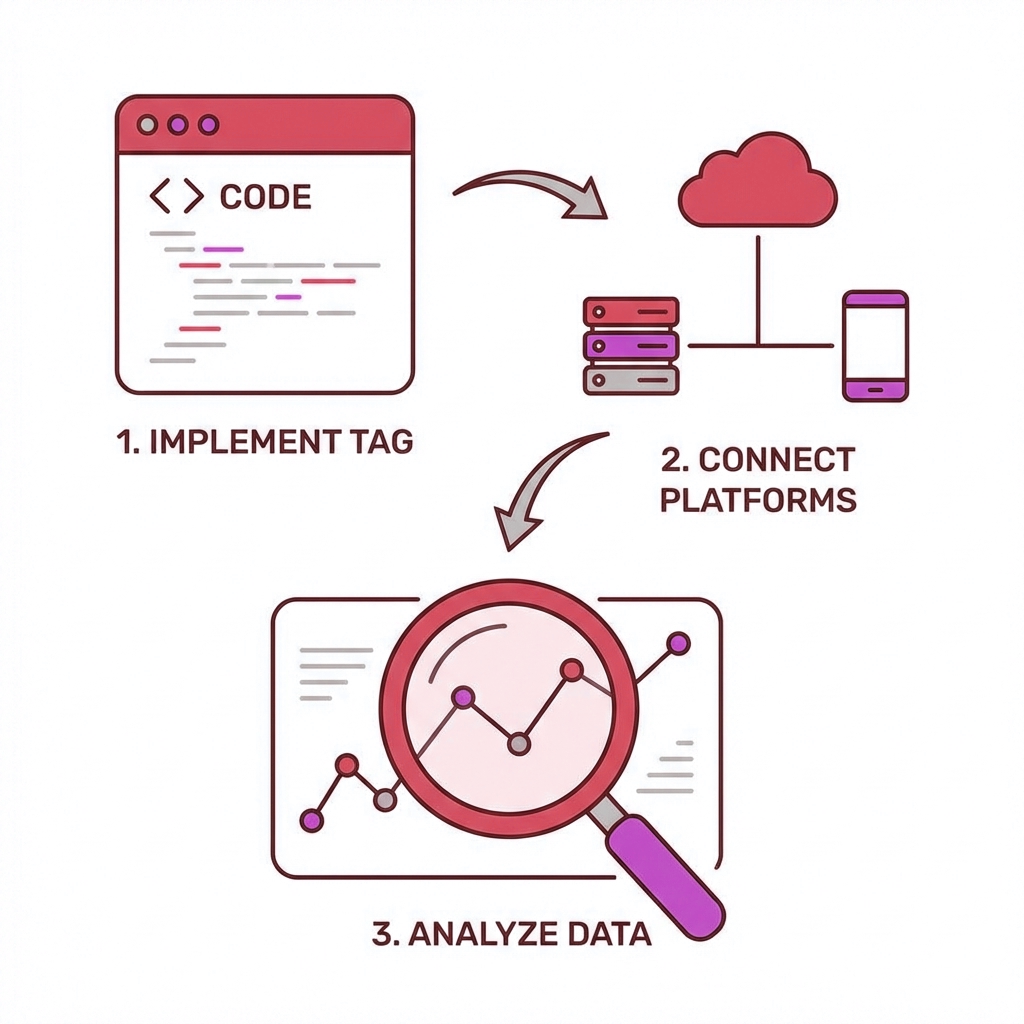
Implementation Roadmap
Transitioning to advanced attribution requires a phased approach. From Goal Definition to Comparative Analysis and finally Resource Allocation, the process ensures that every data point is aligned with business objectives.
To ensure 1st-party cookie context, map your tagging server to a custom subdomain of your primary site. This is critical for circumventing ITP and other tracking protections that limit the lifespan of client-side cookies.
Evolve Your Tracking Stack
Our lead architects specialize in building high-fidelity server-side architectures for brands that demand elite performance. Book your technical consult today.
Inquire Now